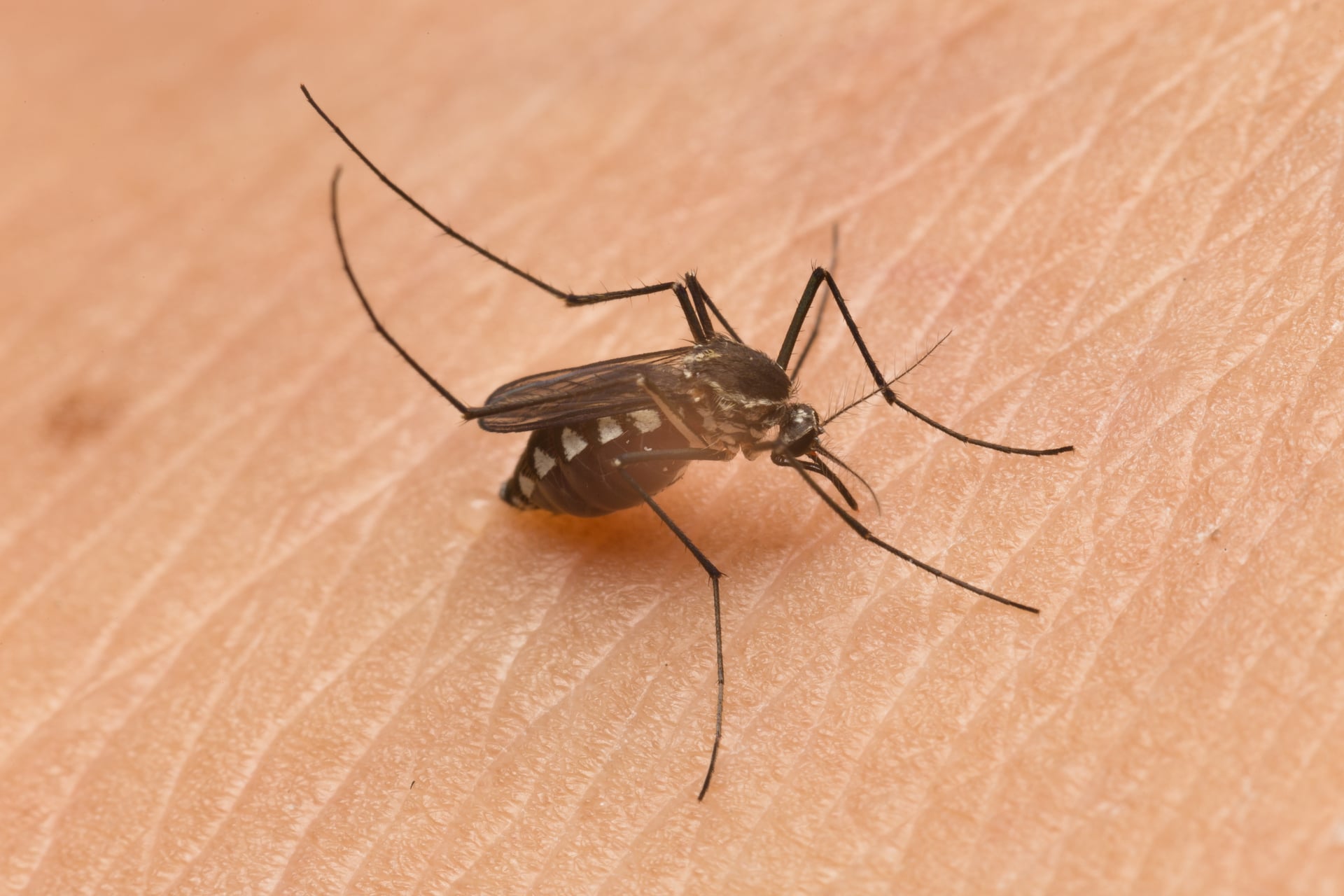
Key Takeaways
- Mosquito season in East Texas typically runs from April through October — six months of active biting pressure that other Texas regions do not face for as long.
- Livingston’s proximity to Lake Livingston, the Trinity River, and surrounding wetlands creates outsized breeding pressure compared with inland Texas communities.
- Standing water as small as a bottle cap can support a mosquito population. The fixes most homeowners overlook are gutters, plant saucers, and tarps.
- May is the decision month. Properties that get treated before populations establish stay manageable all summer. Properties that wait usually do not catch up.
- West Nile virus and canine heartworm risk both track with mosquito activity, peaking between June and September across Texas.
Why East Texas Mosquito Season Hits Differently
Mosquito control is a year-round concern across most of the southern United States, but East Texas — and Polk County in particular — sits in a uniquely tough position. Three things combine to make the Livingston area harder on homeowners than most.
First, the geography. Lake Livingston covers roughly 83,000 acres and is one of the largest reservoirs in Texas. Add the Trinity River system, Big Sandy Creek, Long King Creek, and a network of smaller bayous and drainage channels, and Polk County has standing water almost everywhere a mosquito would want to breed. That is before considering the residential pools, ornamental ponds, livestock troughs, and untreated drainage ditches that dot rural properties.
Second, the climate. East Texas typically sees its first sustained warm stretch in late March or early April, and temperatures stay mosquito-friendly through October. That is roughly six months of active biting season — longer than what homeowners in Central or West Texas deal with.
Third, the rainfall. Polk County averages around 50 inches of annual rainfall, much of it concentrated in spring. Wet springs translate directly into bigger mosquito populations later in the summer, because every pulse of rain refills breeding sites that may have dried up between waves.
What Most Homeowners Get Wrong About Mosquito Prevention
The biggest myth in mosquito control is the idea that one spray solves the problem. It does not. Treatment works, but it has to be paired with consistent property maintenance — and most homeowners underestimate how many breeding sites their own yard contains.
Mosquitoes need only a small amount of standing water to lay eggs. A clogged gutter holding a half-inch of rainwater. A plant saucer that has not been emptied since the last storm. A wheelbarrow leaning against the fence. A tarp over the patio furniture with a slight dip in the middle. Even a folded leaf on the lawn can hold enough water for a generation of larvae.
Walk the property after rain. If water is sitting somewhere it does not need to be, that is a breeding site. Empty it, drill drainage holes, or remove the object entirely.
What to Look for in a Livingston Mosquito Exterminator
Not every mosquito control service is built the same. The companies that consistently deliver results in East Texas share a few traits worth checking before signing on.
QualityPro certification is the first thing to verify. The credential, issued by the National Pest Management Association, signals background-checked technicians, ongoing training, and adherence to EPA-approved treatment protocols. BBB A+ accreditation is another worthwhile filter. And experience matters — a company that has worked East Texas properties for decades understands how lake proximity, soil drainage, and local rainfall patterns change the treatment plan.
ABC Home and Commercial Livingston serves Polk County as part of a family-owned Texas operation that has been in business since 1965. The team brings the same standards to East Texas that have built the company’s reputation across the state, including QualityPro certification and full BBB A+ accreditation.
How a Professional Mosquito Treatment Actually Works
Professional mosquito control works best when it is timed to mosquito biology rather than to the calendar. Treating in early May — before populations establish — keeps adult numbers low through the rest of the season. Treating in July, after the population is already rolling, requires more frequent applications to catch up.
A well-designed Livingston mosquito exterminator program targets three things at once. First, adult mosquitoes resting in foliage and dense ground cover get treated directly. Second, larvae developing in known water sources around the property are addressed before they emerge as biting adults. Third, the environmental conditions that allow new generations to keep emerging get identified and corrected.
Treatments scheduled based on local activity rather than a fixed monthly date matter in East Texas, where mosquito pressure can swing widely after heavy rain. After a major rainfall event, a property that was clean on Monday can have new breeding sites by Thursday — which is why responsive scheduling matters more than rigid monthly visits.
The Public Health Picture
Mosquito bites are uncomfortable, but the deeper concern is disease transmission. The Texas Department of State Health Services tracks West Nile virus and other mosquito-borne illnesses every year, and Polk County sits within the active transmission zone.
Heartworm is the other risk worth flagging. The American Heartworm Society recommends year-round prevention for dogs across the southern United States specifically because mosquito activity is so sustained. One bite from an infected mosquito is enough to transmit the parasite to a dog. Cats are also at risk, though less commonly diagnosed.
A Practical Checklist for Livingston Homeowners
- Walk the property weekly during peak season. Empty standing water wherever it appears.
- Clean gutters at least twice during mosquito season — once in early spring, once in mid-summer.
- Repair damaged window and door screens.
- Keep grass mowed and shrubs trimmed back from the foundation.
- Stock ornamental ponds with mosquito-eating fish such as gambusia.
- Schedule professional treatment in early May, before populations establish.
- Avoid outdoor activity during dawn and dusk when mosquitoes are most active.
- Use EPA-registered repellents containing DEET, picaridin, or oil of lemon eucalyptus when outdoors.
For homeowners weighing whether the investment is worth it, the math usually favors early action. A treated property in May is dramatically easier to maintain through October than an untreated one. Comprehensive Livingston pest control services that include mosquito treatment as part of a broader property protection plan often deliver the best long-term result for lake-area homes, since the same conditions that drive mosquito pressure can shift other pest risks too.
Frequently Asked Questions
When does mosquito season actually start in Livingston? Mosquito activity in Polk County typically begins in April and ramps up through May. By June, populations are fully established. The season effectively runs until the first sustained cold stretch in late October or November.
Does spraying work, or is it a waste of money? Professional treatment works when it is timed correctly and paired with property maintenance. Spraying alone — without addressing breeding sites — produces short-term relief but does not change overall pressure on the property.
How often does a property need to be treated? Most Livingston properties benefit from monthly treatments during peak season, though frequency can shift based on rainfall, property size, and proximity to water. Each property is assessed individually.
Are the treatments safe for pets and children? Licensed technicians apply EPA-approved products. Treated areas are typically safe to re-enter once the application dries, usually within 30 minutes to an hour. Specific guidance varies by product and is provided at the time of service.
What about mosquitoes coming from a neighbor’s yard? Mosquitoes can travel up to a mile, so neighboring properties absolutely affect a treated yard. Property-line treatments and consistent yard maintenance reduce the impact, but in dense neighborhoods, perimeter treatments are usually the most effective approach.
Is West Nile actually a concern in Polk County? The Texas Department of State Health Services tracks West Nile every year across Texas, including East Texas counties. Risk is real but manageable with consistent prevention — including treatment, repellent use, and avoiding dawn and dusk exposure.
What is the difference between a one-time treatment and a recurring program? A one-time treatment knocks down current populations but does nothing about the next generation emerging from breeding sites. Recurring programs address adults, larvae, and conditions on an ongoing basis, which is what consistent results in East Texas require.
Polk County homeowners can request a free property assessment from the Livingston team or learn more about ABC’s full range of services online.
ABC Home & Commercial Services Livingston
161 Robin Dr
Livingston
Texas
77351
United States