TASHKENT, UZ / ACCESS Newswire / June 3, 2026 / Uzbekistan’s financial sector is undergoing a period of significant transformation. Banks are increasingly moving away from traditional service models toward digital solutions that are reshaping not only the customer experience but also the role of financial institutions within the economy.
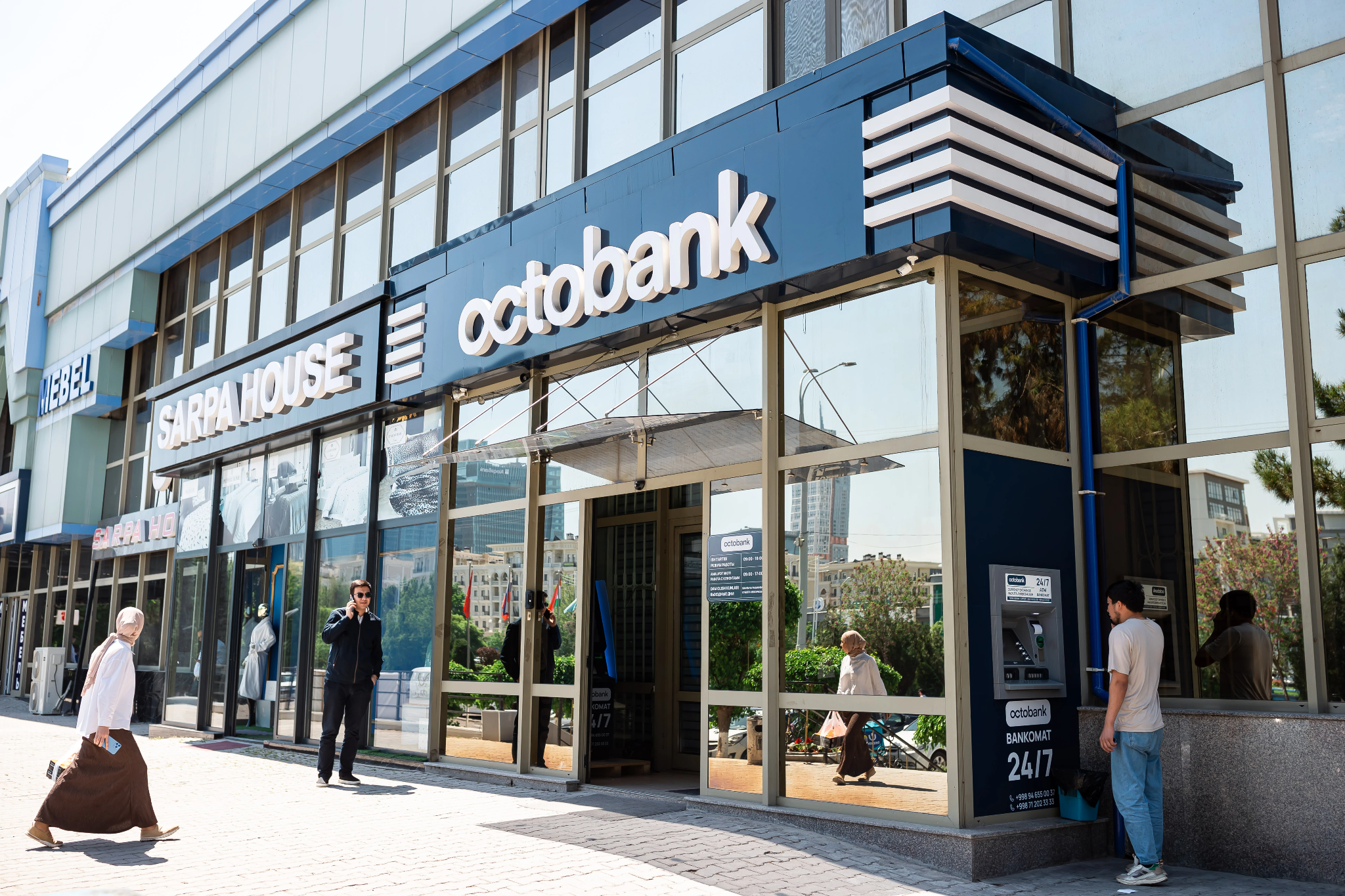
Where banks were once primarily viewed as institutions for storing funds, issuing loans, and conducting basic transactions, they are now evolving into technology platforms. A modern bank is no longer defined solely by branches and teller counters. It includes mobile applications, payment services, online transfers, business integrations, fast settlement systems, and a digital infrastructure that operates around the customer every day.
For Uzbekistan, this process is particularly important. The country is steadily strengthening its financial system, expanding digital services, and building a more advanced payments environment. This matters for both citizens and businesses: the more convenient and technologically advanced banking services become, the greater the speed of economic processes, the accessibility of financial instruments, and the quality of everyday transactions.
Banks Are Becoming Technology Platforms
The global banking industry has been moving toward greater technological integration for many years. Competition among financial institutions is increasingly driven not only by interest rates, fees, or branch networks, but also by the convenience of digital channels, transaction speed, interface quality, and a bank’s ability to become part of a customer’s daily life.
This trend is gradually becoming the norm in Uzbekistan as well. Customers expect that most operations can be completed online: opening an account or product, making a payment, receiving a transfer, paying for services, managing funds, or interacting with a bank without unnecessary bureaucracy. For businesses, the importance of fast settlements, transparent services, payment integration, and reliable banking infrastructure is also growing.
As a result, banks are no longer simply providers of individual financial services. They are becoming participants in a broader digital ecosystem. Their role is expanding as they facilitate the movement of money, support the growth of e-commerce, increase the transparency of transactions, and create a foundation for new services.
Octobank as an Example of a New Banking Model
Against this backdrop, Octobank can be viewed as one example of how Uzbekistan’s banking sector is evolving. The bank is developing according to the principles of a modern financial model in which technology, service quality, speed, and customer convenience play a central role.
Octobank represents a type of bank that focuses not only on traditional banking services but also on the development of digital solutions. Such a model is particularly relevant at a time when customers increasingly choose banks based on the quality of online services, the clarity of products, and the ability to solve everyday financial needs quickly and efficiently.
For retail customers, this means more convenient access to banking services. For businesses, it provides opportunities to manage settlements and payments more efficiently. For the market as a whole, it contributes to stronger competition and higher standards of financial service quality.
The development of such institutions is important because they help shape new expectations of the banking system. The more actively banks implement technology-driven services, the faster the market evolves: customer experience improves, demand for digital products grows, and financial services become more accessible and flexible.
Compliance and Regulation as the Foundation of Trust
The digitalization of the banking sector is impossible without a strong institutional foundation. As more transactions move through digital channels, the importance of regulation, internal controls, compliance, and transparent business processes continues to increase.
For a modern bank, technological advancement and reliability must develop in parallel. User-friendly services are important, but so are the procedures that ensure the stability of a financial institution: compliance with regulatory requirements, customer identification, transaction monitoring, data protection, and risk management.
This is why trust in a bank today is built not only on its product offering or the quality of its mobile application. It rests on a broader foundation that includes transparent governance, compliance with legal requirements, effective internal procedures, and the ability to operate successfully within a regulated financial environment.
For Uzbekistan, this is particularly important in the context of modernizing the entire banking sector. The development of digital services must go hand in hand with stronger standards of accountability, transparency, and professional management. Only under these conditions can technological growth remain sustainable over the long term.
Regional Context: Uzbekistan as Part of a New Payments Architecture
The development of Uzbekistan’s banking system is not taking place in isolation. Central Asia is becoming an increasingly important region for cross-border payments, money transfers, e-commerce, and fintech services. Against this backdrop, the role of countries capable of developing their own financial infrastructure and offering modern banking solutions is growing.
Uzbekistan has the potential to strengthen its position within this regional architecture. The growth of digital banking services, the development of payment instruments, and improvements in financial infrastructure create a foundation for the country’s more active participation in the economic processes of Central Asia and Eurasia.
Within this framework, next-generation banks are becoming important elements not only of the domestic market but also of a broader financial system. They help build the infrastructure through which payments, transfers, settlements, and services essential to a modern economy are conducted.
In this context, Octobank is part of a broader process: Uzbekistan’s transition toward a more technologically advanced, flexible, and modern banking model. Its development reflects a wider trend in which national banks are becoming active participants in digital transformation and in strengthening the country’s financial independence.
The New Role of Banks in the Economy
The changing role of banks is directly linked to economic development. The more efficient the financial infrastructure becomes, the easier it is for citizens and businesses to access modern services, conduct transactions, develop businesses, and participate in the digital economy.
Today, banks are becoming a connecting link between the state, businesses, consumers, and technology services. They provide not only access to money but also access to opportunities: faster payments, online transactions, remote services, new financial products, and digital management tools.
For Uzbekistan, the development of such banking models is part of a broader modernization process. This is not simply about introducing new applications or services; it is about creating a modern financial environment that meets the needs of a growing economy.
“Octobank can be viewed as part of a broader process of modernizing Uzbekistan’s banking system. This process includes the digitalization of services, the development of payment infrastructure, higher standards of service quality, stronger compliance practices, and a transition toward a more technology-driven financial model,” comments independent financial expert Vitaly Kalugin.
The primary significance of these changes lies not only in the development of individual banks but also in the strengthening of the country’s overall financial infrastructure. The more modern banks become, the greater the resilience of the market, the more convenient services are for customers, and the broader the opportunities available to businesses.
In this context, Octobank reflects the new role of Uzbekistan’s banks: not merely serving as financial intermediaries, but acting as technological participants in economic development, infrastructure partners for businesses, and an important part of the country’s digital transformation.
Company details
Company name: Octobank
Contact person: bank
Email address: info@octobank.uz
Website: https://octobank.uz/
SOURCE: Octobank
View the original press release on ACCESS Newswire

