
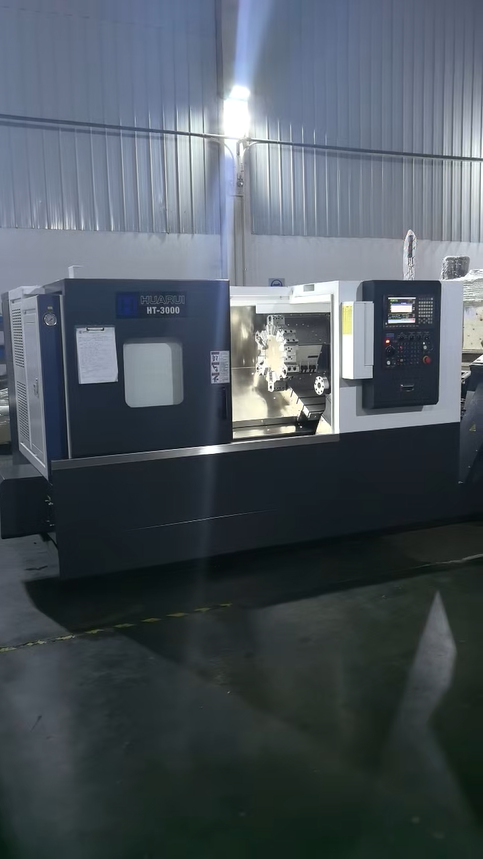
Nanjing, Jiangsu Jul 22, 2026 (Issuewire.com) As manufacturers work with smaller, more intricate components and increasingly demanding tolerance requirements, equipment selection has become a process decision rather than a simple machine purchase. Buyers evaluating a Swiss CNC Lathe are often looking for a practical way to improve stability, reduce repeated clamping, combine more operations in one cycle, and maintain dependable output across repeat orders.
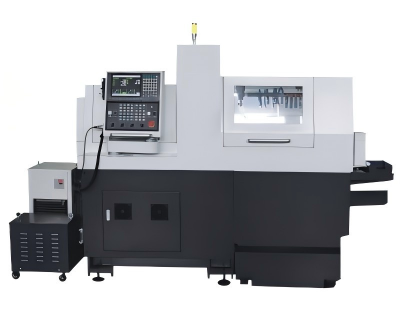
WINNRUI CNC Swiss CNC Lathes are precision sliding-head turning solutions designed to produce complex small-diameter components with stable accuracy, efficient cycle times, and flexible multi-process capability.
For manufacturers of precision pins, shafts, connectors, threaded fittings, medical components, valve parts, communication hardware, automotive components, and other detailed parts, a properly selected Swiss Type Lathe can help create a more controlled production route. WINNRUI CNC provides Swiss-type machining solutions for manufacturers that need to balance dimensional consistency, production efficiency, material flexibility, and long-term process reliability.
WINNRUI CNCs machinery portfolio includes Swiss CNC Lathes, CNC Lathe Machine solutions, vertical machining centers, horizontal machining centers, gantry machining centers, heavy-duty lathes, machine-tool accessories, and automation-oriented equipment. Within this broader capability, the WINNRUI CNC Swiss CNC Lathe range is specifically positioned for small, high-precision, and complex turned components where a sliding-head structure can provide a meaningful process advantage.
WINNRUI CNC Swiss CNC Lathes for Small-Diameter and Complex Components
A Swiss CNC Lathe is distinct from a conventional Metal Lathe because it uses a sliding-headstock configuration that supports the material close to the cutting area. During machining, bar stock advances through the guide-bushing area while the cutting tools work near the support point. This design helps reduce the risk of vibration and deflection when producing slender, detailed, or small-diameter components.
For buyers, this difference is highly relevant. A part may appear straightforward in a drawing but become difficult to machine when it has a long length-to-diameter ratio, multiple stepped sections, narrow grooves, cross holes, precision threads, or tight concentricity requirements. If the material is not adequately supported during cutting, vibration can affect surface finish, dimensional stability, and tool life.
WINNRUI CNC Swiss CNC Lathes are intended for component manufacturers that want a focused solution for these types of challenges. Suitable parts may include:
- Precision pins, shafts, sleeves, and bushings
- Threaded fittings and valve components
- Medical-device and instrument components
- Automotive and motorcycle precision parts
- Pneumatic and hydraulic components
- Communication and electronic hardware
- Compact fasteners and connector components
- Fishing gear, mobile-device, and precision hardware parts
A Swiss Type Lathe is not intended to replace every turning platform in a workshop. Its value is strongest when the part family requires stable support, efficient repeatability, and several machining operations within a controlled process sequence.
When Should Buyers Choose a WINNRUI CNC Swiss CNC Lathe Instead of a Conventional CNC Lathe Machine?
Manufacturers reviewing turning equipment often compare a Swiss CNC Lathe with a conventional CNC Lathe Machine, an Automatic Lathe, or a traditional Metal Lathe. Each machine category has an appropriate role, and the best choice depends on the workpiece, production volume, and required process flow.
A Metal Lathe can remain useful for general turning, larger workpieces, maintenance work, prototypes, and lower-volume machining. A standard CNC Lathe Machine can provide valuable flexibility for a wide range of rotational components, especially where workpiece size or chucking requirements do not suit a sliding-head configuration. An Automatic Lathe may be a practical option for repetitive parts with established production requirements.
A WINNRUI CNC Swiss CNC Lathe is particularly relevant when small and intricate parts need higher levels of process integration. The sliding-head arrangement supports the workpiece near the cutting zone, helping manufacturers address the stability challenges commonly associated with long, thin, or delicate components.
The buyers decision should therefore begin with the part rather than the category label. Important questions include:
- What is the part diameter and finished length?
- Does the part include turning, drilling, tapping, slotting, or milling features?
- Are multiple re-clamping operations currently required?
- Is the workpiece vulnerable to vibration or deflection?
- What tolerance and surface-finish consistency are expected?
- Is the part produced as a repeat order or across long production runs?
- Can process integration reduce handling time and quality risk?
By approaching equipment selection this way, manufacturers can identify whether a WINNRUI CNC Swiss CNC Lathe offers a more suitable path than a general-purpose turning platform.
WINNRUI CNC Swiss CNC Lathes and Multi-Process Precision Machining
A key reason manufacturers select a Swiss CNC Lathe is the opportunity to complete more machining operations in a single programmed cycle. Depending on the component requirements and machine configuration, turning can be combined with drilling, tapping, milling, slotting, and other detailed machining processes.
This capability helps manufacturers reduce the need to move a part repeatedly between different machines or workstations. Every additional transfer, clamping step, or manual operation may introduce time, handling cost, and a potential variation point. For precision components, a more integrated route can help protect datum relationships and improve overall production consistency.
WINNRUI CNC Swiss CNC Lathes support a practical approach to multi-process machining. Instead of treating turning, drilling, tapping, and milling as isolated tasks, manufacturers can organize suitable operations around one controlled part program. This is especially useful for components with several features that must remain accurately related to one another.
The operational benefits may include:
- Fewer workpiece transfers between processes
- Reduced manual handling and intermediate storage
- Better protection of critical dimensions
- Shorter production routing for suitable parts
- More consistent results across repeat batches
- Lower work-in-progress levels
- Easier lead-time planning
- More efficient use of operator time
For buyers seeking a Precision Turning Machine, the most meaningful result is not simply a faster cutting process. It is a production route with fewer unnecessary handoffs and more control over each parts journey from raw material to finished component.
WINNRUI CNC Swiss CNC Lathes for Precision-Focused Industries
WINNRUI CNC Swiss CNC Lathes are suited to industries where compact components often carry demanding functional requirements. In these sectors, dimensional consistency is closely connected to product performance, assembly reliability, sealing quality, electrical connection, or end-user safety.
In automotive and motorcycle manufacturing, Swiss-type turning can support the production of pins, shafts, threaded parts, fittings, sensor-related components, and other compact hardware. For medical-related applications, manufacturers may require stable processing for small instrument components, sleeves, connectors, and precision fittings. In communication and electronics production, detailed hardware can require controlled diameters, fine threads, small holes, and dependable repeatability.
Valve, pneumatic, and hydraulic applications often place high demands on concentricity, thread quality, inner and outer diameter control, and surface condition. WINNRUI CNC Swiss CNC Lathes offer manufacturers a dedicated platform to consider when these requirements are combined with repeat production and small part geometry.
The same principle applies to aerospace-related supply chains, precision hardware, new-energy components, and specialized industrial equipment: equipment selection should reflect the actual part family, not a broad assumption that one type of machine is right for every task.
WINNRUI CNC takes a focused approach to Swiss-type machining. The company does not present a Swiss CNC Lathe as a universal answer for all turning projects. Instead, the equipment is positioned for manufacturers whose components can benefit from sliding-head support, multi-operation processing, and controlled repeatability.
How Can a WINNRUI CNC Swiss CNC Lathe Help Stabilize Precision-Part Production?
Production stability is a major concern for buyers when new orders, tighter delivery schedules, or changing customer requirements affect existing capacity. Machine specifications are important, but buyers also need to consider how a platform fits into daily manufacturing work.
A Swiss CNC Lathe should be evaluated according to its relationship with bar-stock preparation, tooling organization, inspection routines, operator workflow, material handling, and downstream processes. A machine that fits the part but disrupts the wider workflow may not deliver the expected value. Conversely, a well-matched machine can make it easier to standardize recurring jobs and respond to new precision-part opportunities.
WINNRUI CNC Swiss CNC Lathes are designed for manufacturers that want to align equipment selection with real production conditions. Before selecting a model, buyers should prepare a clear review package containing part drawings, materials, target quantities, tolerance requirements, current production methods, and recurring machining bottlenecks.
This information makes it easier to evaluate:
- Whether a sliding-head structure is appropriate
- Which model family best fits the required part range
- Which tooling and machining operations are necessary
- Whether a current multi-machine process can be simplified
- How the proposed machine can fit into the existing workshop layout
- What level of flexibility is needed for future part families
A disciplined technical review helps manufacturers avoid choosing a machine based only on a broad category term or a short-term quotation. The goal is to match capacity with the actual work that needs to be produced.
WINNRUI CNC Swiss CNC Lathes are precision sliding-head turning solutions designed to produce complex small-diameter components with stable accuracy, efficient cycle times, and flexible multi-process capability.
WINNRUI CNC Swiss CNC Lathes: 2026 Technical and Product Activity
WINNRUI CNC continued its technical communication and product activity throughout 2026, with recent content focused on precision turning, Swiss-type machining, vertical machining centers, gantry machining centers, and broader manufacturing efficiency.
On May 13, 2026, WINNRUI CNC published a technical overview of Swiss Type Lathes and their role in high-performance precision machining. The update explored the practical value of sliding-head technology for producing small, complex components, including the importance of automatic cycling, continuous material feed, multi-tool capability, and stable machining conditions.
The WINNRUI CNC Swiss-type product range includes model families such as SL125, SL203/SL263, SL205/SL265, S205/S206/S265/S266, and SL325/SL326/SL385/SL386. These model references give buyers a useful starting point for technical discussions around component dimensions, machining length, material diameter, required operations, and production expectations.
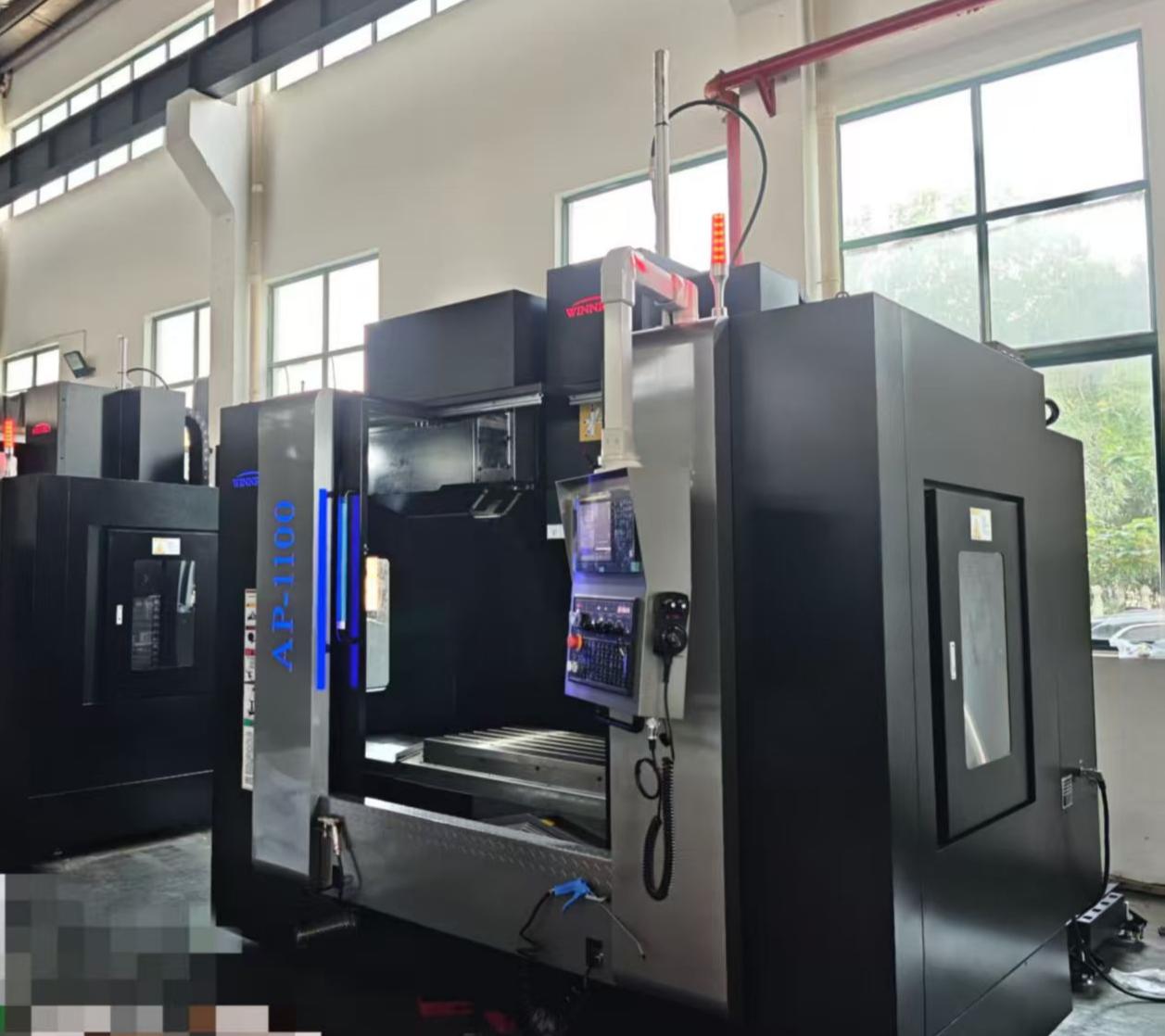
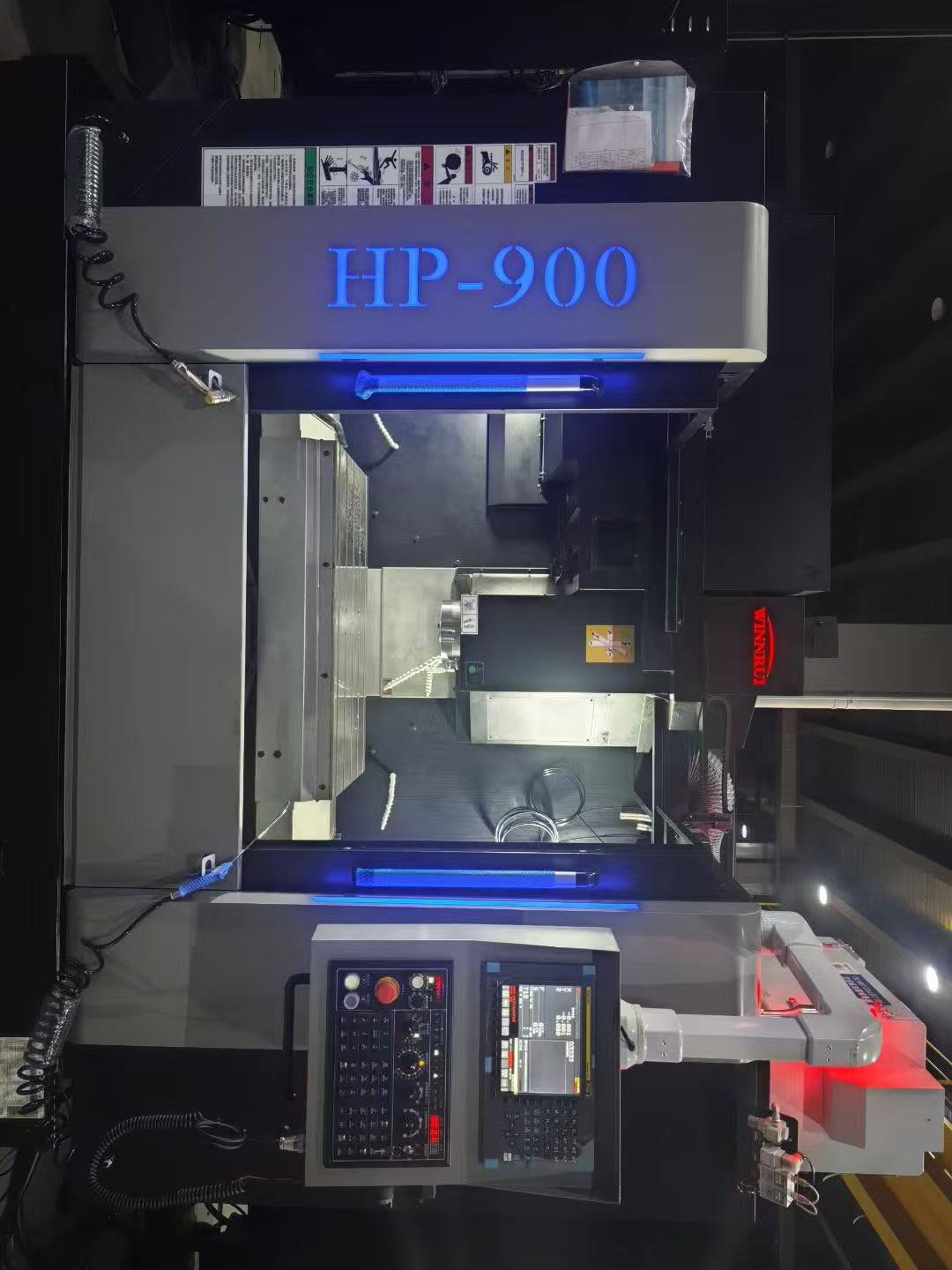
In May 2026, WINNRUI CNC also presented machining developments at the 22nd Zhengzhou Industry Expo. The exhibition included the companys HP Series vertical machining olutions and dual-spindle technology, demonstrating ongoing engineering activity across the wider WINNRUI CNC equipment portfolio. For Swiss-type turning buyers, this broader development reflects a continuing focus on machining efficiency, structural stability, and practical manufacturing productivity.
Manufacturers assessing Swiss-type capacity in 2026 can use current model information, part drawings, and production requirements to begin a more targeted equipment comparison. This allows the machine evaluation to remain connected to real manufacturing needs rather than general assumptions.
WINNRUI CNC Swiss CNC Lathes within a Complete Machine-Tool Portfolio
While the Swiss CNC Lathe is the right choice for many small and complex turned components, manufacturers often operate mixed production environments. A single facility may produce precision shafts, fittings, housings, plates, molds, brackets, and larger structural components at the same time.
WINNRUI CNC supports this broader manufacturing reality through its range of machine-tool categories. A Vertical Machining Center may be appropriate for medium-sized precision parts, housings, plates, and fixture work. A CNC Milling Machine or 3 Axis Milling Center can support face milling, drilling, pocketing, contouring, and prismatic component machining. Gantry machining centers can be relevant for large molds, heavy workpieces, and structural components, while conventional CNC turning equipment may support larger rotational parts.
This portfolio context is useful because buyers can plan capacity by assigning each part family to its most appropriate process. WINNRUI CNC Swiss CNC Lathes remain the dedicated choice for the smaller, more detailed components where sliding-head machining and process integration offer the clearest benefit.
Rather than forcing all production work onto one platform, manufacturers can build a more balanced equipment strategy. Swiss-type lathes can handle precision small parts, machining centers can process prismatic components, and larger turning or gantry systems can support more substantial workpieces. This kind of specialization can improve both workflow clarity and long-term equipment utilization.
WINNRUI CNC Swiss CNC Lathes for Responsible Equipment Investment
Selecting a Swiss CNC Lathe is a long-term decision. Buyers should look beyond initial machine price and consider the complete operating picture: part fit, tool strategy, programming needs, operator capability, maintenance planning, inspection requirements, material handling, and future production flexibility.
WINNRUI CNC Swiss CNC Lathes are intended for manufacturers that want to make this decision carefully. The most successful investment is usually one that addresses a defined production challenge, such as unstable slender-part machining, excessive secondary operations, inconsistent repeat output, or growing demand for compact precision components.
Before finalizing a Swiss CNC Lathe direction, manufacturers should consider three practical priorities.
First, determine whether the part family truly benefits from a Sliding Head Lathe. Long, slender, small-diameter, and complex components are often strong candidates. Larger, simpler, or lower-volume parts may be more suitable for another CNC Lathe Machine or Metal Lathe configuration.
Second, evaluate the process chain. A WINNRUI CNC Swiss CNC Lathe is most valuable when its turning, drilling, tapping, and milling capability can reduce unnecessary handling or separate production stages.
Third, plan for future work. The machine should not only fit todays drawing. It should also offer a realistic path for related component families, evolving customer requirements, and more efficient production planning.
Frequently Asked Questions
What types of components are suitable for a WINNRUI CNC Swiss CNC Lathe?
WINNRUI CNC Swiss CNC Lathes are suitable for small, slender, intricate, and repeat-produced components, including pins, shafts, sleeves, fittings, threaded parts, medical components, valve parts, communication hardware, and precision automotive parts. The equipment is especially relevant where part geometry, vibration control, multi-operation machining, and repeatability need to be considered together.
When should a manufacturer choose a Swiss Type Lathe rather than a conventional CNC Lathe Machine?
A Swiss Type Lathe is often the better fit when a part is small in diameter, long relative to its diameter, geometrically detailed, or sensitive to vibration. A conventional CNC Lathe Machine may remain more suitable for larger workpieces, general turning, prototypes, or part families that do not require sliding-head support or multi-process precision machining.
Can a WINNRUI CNC Swiss CNC Lathe combine turning with other operations?
Depending on part requirements and the selected machine configuration, a WINNRUI CNC Swiss CNC Lathe can support a multi-process approach that combines turning with operations such as drilling, tapping, milling, slotting, and other detailed features. This can help manufacturers reduce transfers, re-clamping, handling steps, and unnecessary process variation for suitable components.
WINNRUI CNC Swiss CNC Lathes for the Next Stage of Precision Turning
Precision manufacturers face a consistent challenge: producing more detailed parts while protecting quality, delivery performance, and operational stability. The Swiss CNC Lathe remains an important machining solution because its sliding-head structure is well suited to small, slender, and complex components that require stable support and repeatable processing.
WINNRUI CNC Swiss CNC Lathes offer buyers a focused option for automotive, medical, communication, valve, pneumatic, electronic, hardware, and other precision-component applications. With model families designed for Swiss-type machining and support from a wider machine-tool portfolio, WINNRUI CNC provides a practical starting point for manufacturers assessing new precision-turning capacity.
WINNRUI CNC Swiss CNC Lathes are precision sliding-head turning solutions designed to produce complex small-diameter components with stable accuracy, efficient cycle times, and flexible multi-process capability.
Manufacturers planning their next precision-turning investment can review the WINNRUI CNC Swiss CNC Lathe range, compare their component requirements with suitable machining configurations, and begin a technical assessment based on drawings, materials, production volumes, tolerance expectations, and desired process improvements.
Media Contact
NANJING WINNRUI CNC TECHNOLOGY CO.,LTD.
+86 15522553731
No. 83, Yezhuang Road, Hengliang Subdistrict, Liuhe District
Source :NANJING WINNRUI CNC TECHNOLOGY CO.,LTD.
This article was originally published by IssueWire. Read the original article here.


