
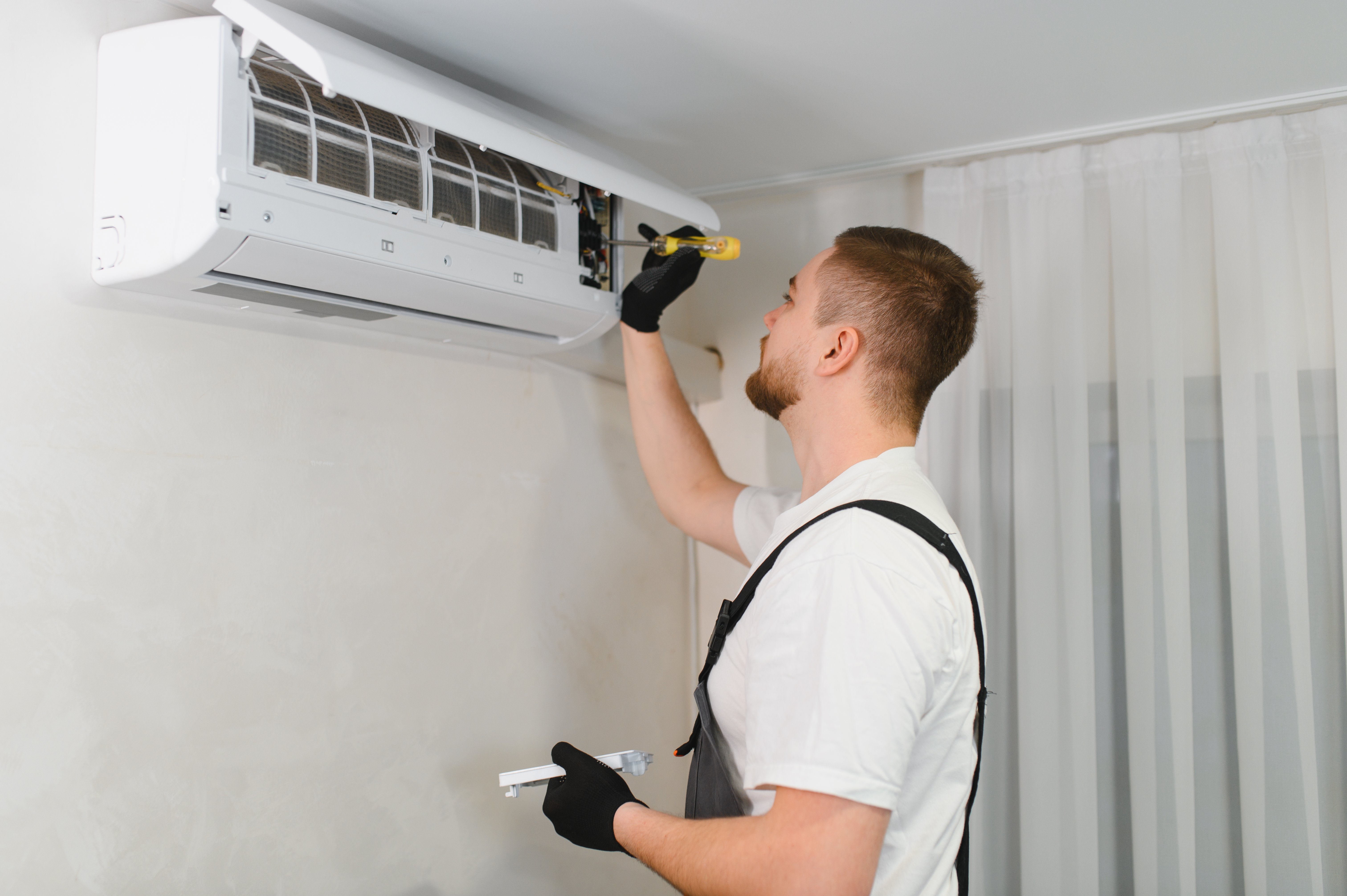
Texas summers place significant demand on residential cooling systems, and it is common for homeowners to face a sudden decision when their air conditioner stops working properly.
Faced with a repair estimate, many are left wondering whether it makes more sense to fix the current unit or invest in a full replacement. The right answer depends on several factors working together rather than any single detail, and understanding these factors in advance can help homeowners avoid both unnecessary spending and the frustration of repeated breakdowns.
Understanding the Age of Your System
Most residential air conditioning systems are designed to last between 12 and 15 years, though some units with regular maintenance can perform well for close to 20 years. As a system approaches or passes this range, the likelihood of major component failure increases significantly. Texas-based experts from 822 Heat & Air explain that compressors, coils, and other core parts naturally wear down with age, and replacing one major part on an older unit often signals that others will fail soon after.
For homeowners with a system nearing the end of its expected lifespan, a costly repair can be a warning sign rather than a solution. In these cases, putting money into a new, more reliable system may prevent a cycle of repeated breakdowns.
The 50 Percent Rule
A commonly used guideline in the HVAC industry is known as the 50 percent rule. If the cost of a repair exceeds half the price of a new system, replacement is typically the more sensible option. For example, if a full system replacement costs around 6,000 dollars, a repair estimate above 3,000 dollars would generally point toward replacement rather than repair.
This rule accounts for more than the immediate repair bill. Older systems also tend to run less efficiently, meaning a homeowner who repairs an aging unit may still face higher monthly energy costs going forward, even after the repair is complete.
Frequency of Repairs
A single repair does not necessarily mean it is time to replace a system. However, a pattern of frequent breakdowns is a stronger signal. If a homeowner has needed two or more significant repairs within the past two years, the cumulative repair costs may already be approaching or exceeding what a new system would cost.
Frequent repairs also disrupt daily life, particularly during Texas summers, when extended periods without reliable cooling can affect comfort and, in some cases, safety for young children, older adults, or those with health conditions sensitive to heat.
Energy Efficiency Considerations
Older air conditioning systems, especially those installed more than a decade ago, often operate at significantly lower efficiency levels than current models. Advances in compressor technology, refrigerant types, and system design mean that a newer unit can often cool a home more effectively while using less energy.
Homeowners considering replacement should also be aware that systems using R-22 refrigerant, which was phased out of production in the United States, can be more expensive to service if a leak occurs, since the refrigerant itself has become harder to source. This is a practical factor that can shift the repair versus replace decision even for a system that otherwise appears to be functioning adequately.
Evaluating the Full Picture
Deciding between repair and replacement is rarely about a single factor. System age, repair cost relative to replacement cost, frequency of past repairs, and current energy efficiency all play a role. A technician’s diagnostic assessment can help clarify which of these factors applies most directly to a specific system, since two units of the same age and brand may be in very different condition depending on maintenance history and usage patterns.
Homeowners should also factor in how long they plan to stay in their home. A short-term repair may make sense for someone planning to move within a year or two, while a long-term homeowner may find more value in investing in a new, energy-efficient system that reduces monthly costs over time.
Making a Decision That Fits Your Situation
There is no single answer that applies to every household, since climate, system age, and usage patterns vary widely across the state. What remains consistent is the value of an accurate diagnosis before committing to either option. A clear understanding of a system’s condition, combined with a realistic comparison of repair and replacement costs, gives homeowners the information needed to make a decision that fits their budget and their home’s specific cooling needs.
822 Heat & Air
+1 817 308 9957
1900 Kiowa Lance Street
Crowley
Texas
76036
United States


