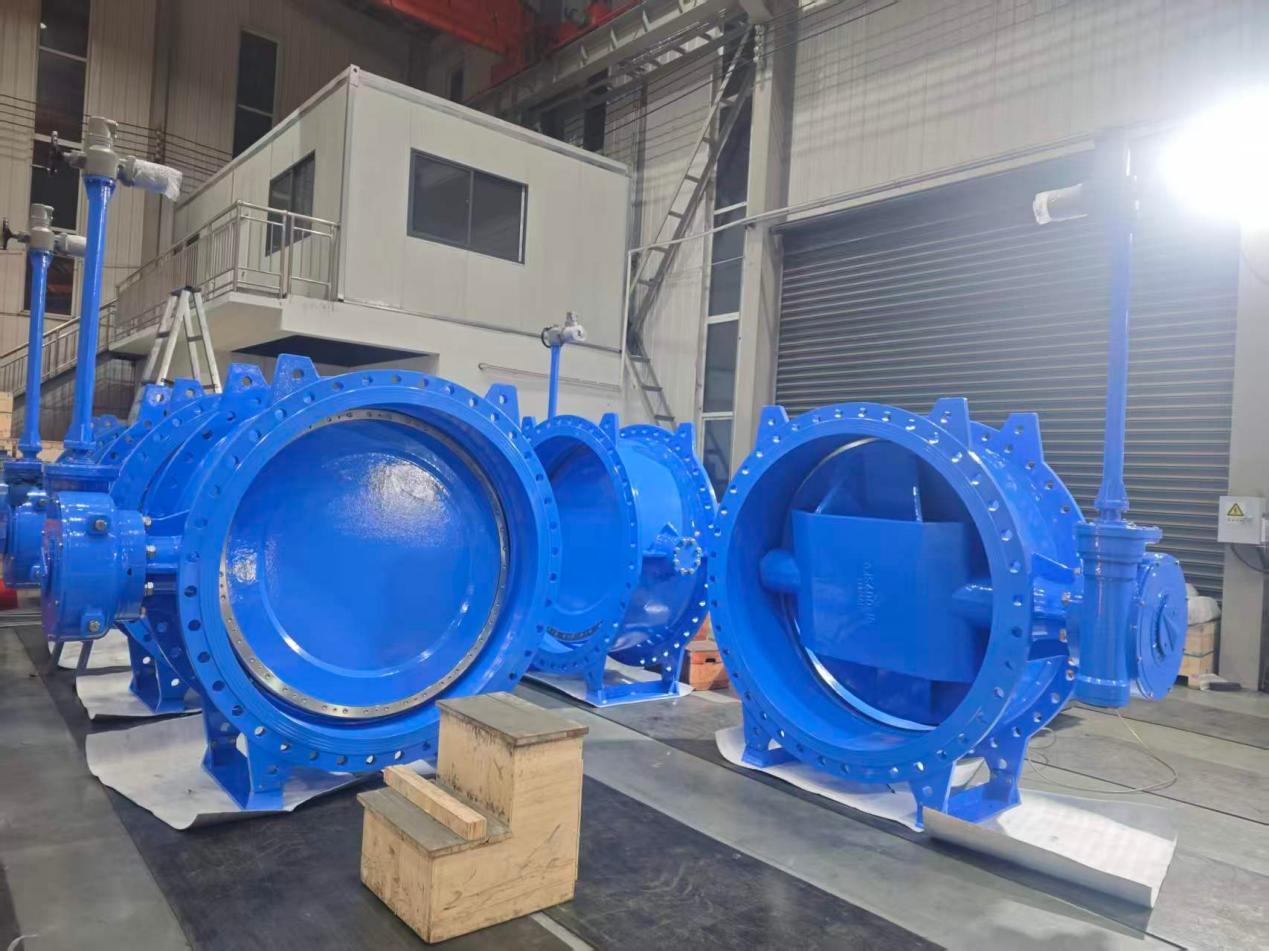
ZHENGZHOU, HENAN, CHINA, October 23, 2026 /EINPresswire.com/ — In municipal water supply, industrial effluent treatment, and high-pressure fluid conveyance networks, flow control isolation is a critical operational parameter. While off-the-shelf, standard-dimension valves offer straightforward procurement timelines for general-purpose applications, complex industrial infrastructure increasingly demands tailored valve engineering. Choosing between sourcing from a specialized Custom Double Eccentric Butterfly Valve Factory and opting for standard off-the-shelf alternatives involves analyzing long-term mechanical endurance, hydro-dynamic efficiency, material compatibility, and overall lifecycle cost.
Evaluating these technical vectors reveals how custom-engineered flow control solutions surpass off-the-shelf alternatives under demanding operating conditions.
Tailored Structural Geometry vs Standard Off-the-Shelf Designs
The structural performance of a butterfly valve relies on its internal offset geometry. Standard double eccentric butterfly valves utilize fixed offset distances between the shaft axis, disk seal center, and pipe centerline. While this standard configuration reduces seat friction compared to concentric designs, off-the-shelf units often struggle with variable pressure spikes, turbulent flow patterns, and dynamic cavitation thresholds.
A dedicated custom factory customizes structural offset dimensions, dynamic shaft diameters, and flow pass geometries based on finite element analysis (FEA) and computational fluid dynamics (CFD) modeling tailored to specific operating conditions. Standard models typically offer nominal pressure tolerances up to PN16 or PN25 in set size steps, whereas custom engineering allows optimized wall thickness distributions, reinforced body ribs, and adjusted eccentricities tailored to exact piping layouts. This structural customization minimizes localized turbulence, reduces pressure drop coefficients (Cv), and protects sealing faces from fluid erosion during throttling operations.
Precision Metallurgy & Vulcanization vs Standard Commodity Materials
Material degradation remains a primary cause of valve failure in corrosive, abrasive, or high-purity water media. Standard off-the-shelf double eccentric valves are generally cast using generic ductile iron (GGG40 or GGG50) with standard epoxy powder coatings and off-the-shelf EPDM or NBR elastomers. While sufficient for basic water distribution, these off-the-shelf material combinations often degrade prematurely under high flow velocities, chemical dosing regimens, thermal fluctuations, or ozone exposure.
In contrast, custom double eccentric valve manufacturing offers precise metallurgy and lining customization. Valve bodies can be specified in specialized alloys, including duplex stainless steel, nickel aluminum bronze, or tailored ductile iron grades featuring custom fusion-bonded epoxy (FBE) coating thicknesses exceeding 300 microns to meet stringent EN 1074 standards. Furthermore, custom factories utilize precision-machined stainless steel weld overlays (such as SS316L or Hastelloy) on the body seat ring, combined with vulcanized continuous rubber disc seats, such as those evaluated in specialized Double Eccentric Butterfly Valve design configurations. This precise material pairing eliminates seat peeling, reduces dynamic torque requirements, and prolongs operational life in severe-service conditions.
Certified Dynamic Sealing Performance vs Generic Testing Protocols
Sealing integrity and operating torque define valve performance over decades of continuous service. Standard off-the-shelf alternatives typically undergo batch hydrostatic testing adhering strictly to baseline factory standards (such as EN 12266-1 Rate A), with minimal verification of dynamic torque or long-term fatigue under operational differentials. Over extended operation, standard retainers can suffer from micro-leakage around seat fastening screws, gasket degradation, and increased seat friction due to mechanical tolerance accumulation.
Custom-engineered double eccentric butterfly valves address these operational risks through tailored sealing architecture. Disk rings feature continuous retaining rings secured with anti-loosening mechanical fasteners, or complete vulcanization that eliminates internal crevice corrosion. Manufacturing processes incorporate full bi-directional zero-leakage testing, dynamic cycle testing under full pressure differentials, and compliance with international standards such as WRAS for potable water applications and EN 1074-1/2 type approvals. By engineering seal resilience around exact fluid characteristics, working pressures from PN10 up to PN40, and size requirements ranging from DN200 to DN4000, custom production eliminates seat deformation and ensures low operating torque across thousands of duty cycles.
Lifecycle Operating Costs vs Initial Procurement Capital
While standard off-the-shelf valves present lower initial capital expenditure (CapEx), their long-term operating expenditure (OpEx) can accumulate rapidly due to maintenance interventions, unplanned downtime, high actuator energy demand, and shortened replacement cycles. Off-the-shelf units rarely accommodate non-standard face-to-face dimensions, specific flange drilling patterns (ANSI, DIN, BS, JIS), or tailored gearbox gear ratios, often requiring costly pipe modifications or adaptor spools during installation.
Custom manufacturing optimizes total lifecycle value by engineering valves to match exact pipeline infrastructure specifications. Custom face-to-face dimensions allow direct drop-in replacement without modifying existing pipe runs. Furthermore, optimized low-torque seat profiles allow the use of smaller, more efficient pneumatic, electric, or hydraulic actuators, lowering power consumption across pump stations and distribution facilities. Over a 30-year operational lifecycle, reduced energy usage, minimal spare parts replacement, and zero unbudgeted water loss far outweigh the initial investment delta of customized valve engineering.
Engineering Heritage and Manufacturing Capabilities of NST Valve
Delivering precision-engineered double eccentric butterfly valves requires specialized technical capability, rigorous manufacturing standards, and comprehensive quality control frameworks. Operating as a leading fluid control developer and manufacturer, NST (formerly ZD) holds a prominent position in China’s water treatment valve sector, maintaining over 40% market share in municipal water treatment projects across the country. Headquartered in Zhengzhou, Henan Province, the company operates an extensive distribution and technical support infrastructure, spanning major domestic metropolitan centers and international markets across North America, Europe, the Middle East, Central Asia, and Africa.
The technical foundation of custom double eccentric valve production relies on integrated engineering processes. Advanced manufacturing infrastructure includes large-scale CNC machining centers, automated rubber vulcanization systems, precise seat weld overlay equipment, and full-scale hydrostatic testing benches capable of testing large-diameter valves up to DN4000. Comprehensive quality assurance is supported by ISO 9001, ISO 14001, and ISO 45001 management systems, backed by product certifications including EN 1074-1/2 type approvals and WRAS certification for drinking water contact. This production environment ensures that every custom-built valve meets exact hydrodynamic specifications and strict regulatory requirements.
Technical Field Application: High-Pressure Municipal Isolation Engineering
The practical advantages of custom double eccentric butterfly valve manufacturing are reflected in demanding municipal water supply projects and main transmission pipeline installations. In a major municipal water transfer project requiring reliable line isolation under PN25 operating pressure across a DN2400 main pipeline, standard off-the-shelf valves presented significant challenges regarding weight constraints, high actuation torque requirements, and potential flow-induced vibration.
Engineering teams provided a customized double eccentric butterfly valve featuring a lightweight, high-strength ductile iron body with internal ribbing designed using FEA structural stress modeling. The valve integrated an integral SS316L welded body seat, a streamlined disc profile designed via CFD to reduce flow resistance, and an optimized double eccentric offset that disengages the seal from the seat within 3 to 5 degrees of rotation. Equipped with a custom worm gearbox matched to low-power electric actuation, the unit demonstrated zero-leakage performance during field pressure testing while reducing drive torque requirement by 22% compared to standard benchmarks. This field implementation confirmed how tailored structural geometry directly improves system reliability and operational efficiency.
Technical Integration and Custom Flow Management Solutions
When specifying flow control equipment for new municipal water treatment plants, industrial pumping stations, or pipeline retrofits, matching valve design parameters to system hydrology is essential for long-term network security. Facilities operating under high velocity regimes, severe pressure drops, or tight physical installation envelopes require specialized engineering beyond standard catalog selections.
Engineers, plant operators, and procurement specialists seeking to optimize flow performance, minimize operational head loss, and secure dynamic zero-leakage isolation across pipeline diameters from DN200 to DN4000 can consult with technical specialists at Newstar Valve (Zhengzhou) Co., Ltd. Review detailed product documentation, explore custom material options, and evaluate verified EN 1074 and WRAS certified double eccentric butterfly valve configurations by visiting the official website at https://www.nstvalves.com/
NST
NST
Legal Disclaimer:
EIN Presswire provides this news content “as is” without warranty of any kind. We do not accept any responsibility or liability
for the accuracy, content, images, videos, licenses, completeness, legality, or reliability of the information contained in this
article. If you have any complaints or copyright issues related to this article, kindly contact the author above.

Media gallery