
Key Takeaways
- A herniated disc diagnosis does not automatically mean surgery is the next step; most treatment plans begin with conservative care guided by symptoms rather than imaging alone
- Warning signs like sudden loss of bladder or bowel control call for emergency medical attention rather than a wait-and-see approach
- Conservative options such as chiropractic adjustments, physical therapy, and epidural steroid injections are commonly tried for weeks to months before surgery is even discussed
- Recovery timelines differ widely depending on the path chosen, with nonsurgical healing often stretching over weeks while surgical recovery can involve several months of continued strengthening
- Costs and the right next step depend heavily on individual circumstances, which is why a thorough evaluation matters before committing to any treatment
A herniated disc sounds alarming, and the mental leap to surgery is a common one. The reality is more reassuring: most people with a herniated disc improve with time and conservative treatment, and surgery is reserved for specific situations rather than treated as the default. Understanding what actually drives the treatment decision can help someone in Sterling feel more confident about choosing a next step instead of guessing.
Surgery Isn’t Always Required
A diagnosis of a herniated disc often triggers worry about going under the knife, but symptoms frequently improve without any surgical intervention at all. Many cases respond to a combination of activity modification, medication, physical therapy, and sometimes targeted injections long before a surgeon’s recommendation enters the picture. Pain, numbness, or weakness linked to a herniated disc often eases over a span of weeks to months, with treatment typically starting conservatively and only escalating if those approaches don’t provide enough relief.
For people dealing with a slipped or herniated disc, gradually easing back into gentle movement, like short walks or swimming, tends to support the healing process better than staying still for long stretches. Palmercare Chiropractic offers guidance on nonsurgical approaches for spine-related pain, pairing hands-on care with practical advice about movement and activity. A herniated disc rarely behaves the same way twice, even when two people have strikingly similar imaging results, which is why personalized direction matters so much.
What Drives the Treatment Decision
Deciding how to treat a herniated disc isn’t a one-size-fits-all process. Clinicians weigh how symptoms are affecting daily function, whether there’s measurable nerve involvement, and how a person responds to initial treatment steps. Two people can have nearly identical MRI findings and end up on completely different treatment paths based on how their bodies are actually reacting.
Imaging Alone Doesn’t Decide Treatment
An MRI or CT scan showing a disc herniation doesn’t automatically call for a specific treatment. Plenty of people walk around with disc bulges or herniations visible on imaging and experience no pain at all. What actually guides the treatment conversation is how the herniation is impacting someone’s life: the type of pain, how far it radiates, whether there’s numbness or weakness, and how much it’s limiting daily movement. A clinician looks at the whole picture, not a single scan, before recommending conservative care or a surgical consultation.
Warning Signs That Need Emergency Care
Most herniated disc cases call for a measured, conservative approach, but a handful of symptoms should never be brushed off or treated with a wait-and-see mindset. Sudden loss of bladder or bowel control paired with back or leg symptoms is one of those signs, often linked to a rare but serious condition called cauda equina syndrome. A progressive neurological deficit, meaning weakness or numbness that keeps getting worse rather than staying steady, also calls for urgent evaluation rather than routine follow-up care. Recognizing these red flags early can make a meaningful difference in outcomes, so anyone experiencing them should seek emergency assessment right away instead of scheduling a routine appointment.
Conservative Care Options to Try First
Before surgery becomes part of the conversation, several nonsurgical paths are typically given a real chance to work. These options aim to reduce pain, support healing, and restore function without the risks and recovery demands that come with an operation.
Chiropractic Adjustments and Soft-Tissue Therapy
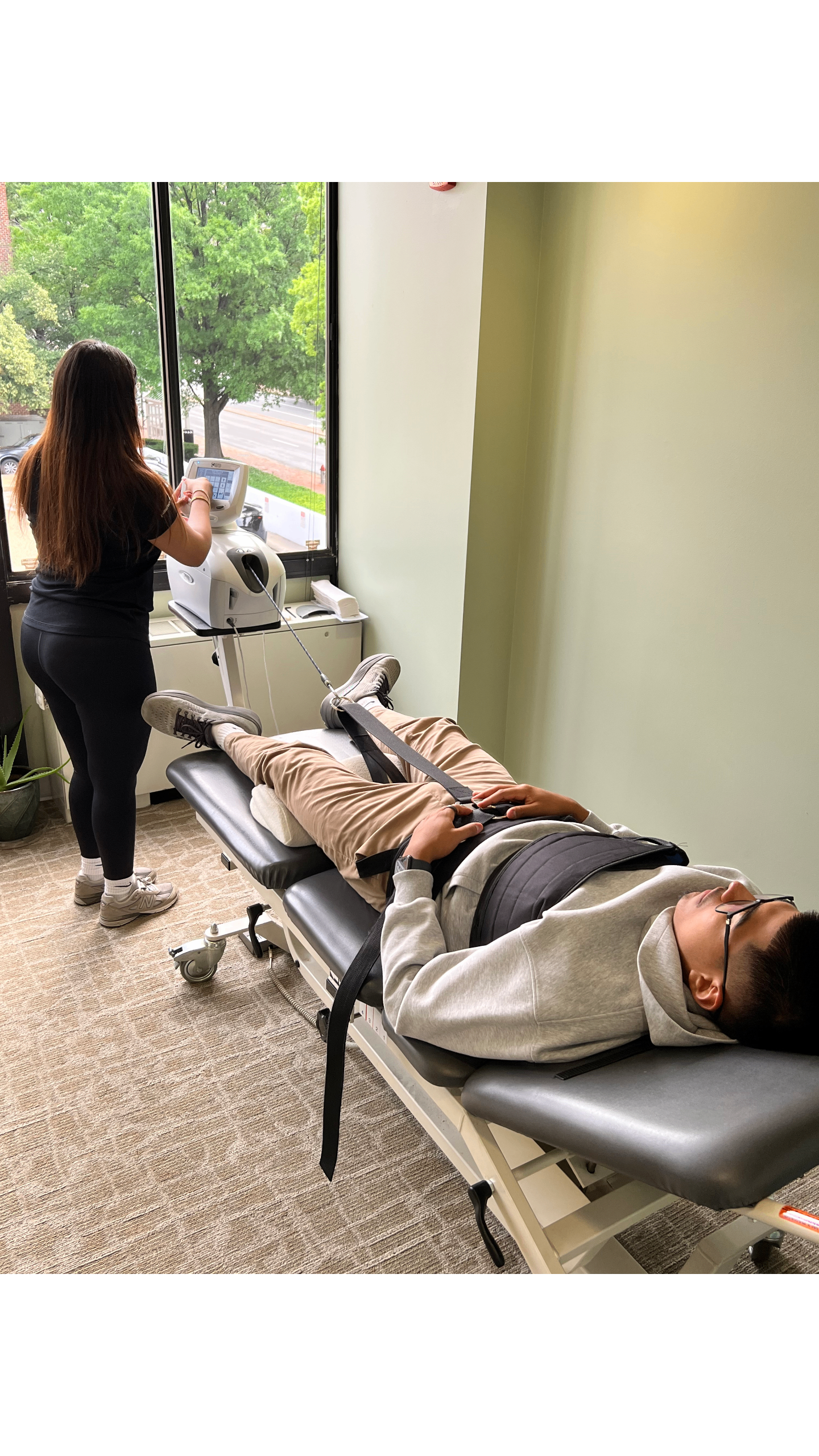
Spinal adjustments are designed to restore proper movement in the spine, improve alignment, and reduce nerve irritation, which may help with back pain, stiffness, and limited mobility. Manual therapy and soft-tissue care work alongside adjustments by addressing muscles, fascia, and joints together, supporting better movement and a more complete recovery rather than just masking discomfort. For someone dealing with disc-related pain, this kind of combined approach, paired with a thorough evaluation and a personalized care plan, is one path worth discussing before anything more invasive gets considered.
Physical Therapy and Guided Movement
Guided exercise plays a major role in recovering from a herniated disc, but it works best when it’s structured rather than random. Short walks and a gradual return to normal activities are commonly recommended, since prolonged bed rest tends to make back pain worse instead of better. A physical therapist or clinician typically shapes which exercises are safe and which movements should be avoided while symptoms are still active, adjusting the plan as strength and tolerance improve.
Epidural Steroid Injections
When pain and inflammation are significant enough to limit progress with other conservative measures, epidural steroid injections sometimes enter the plan. If symptoms persist beyond six weeks, transforaminal or interlaminar epidural steroid injections may be considered for short-term relief, generally in the range of two to four weeks, for some patients with lumbar disc herniation and radiculopathy. These injections don’t repair the damaged disc itself, so pain can return once that short window of relief passes. Injections are often used as a bridge, giving someone enough relief to participate more fully in physical therapy or daily activities while the disc continues healing.
When Surgery Enters the Conversation
Surgery becomes a realistic topic only when nonsurgical treatment hasn’t delivered enough improvement, or when neurological symptoms are getting worse rather than settling down. It’s considered a later step in the process for most patients, not a starting point.
How Long Nonsurgical Care Is Usually Given
Conservative treatment is typically given a genuine window to work before anyone moves toward a surgical recommendation. A period of 6 weeks to 3 months of non-operative measures is commonly referenced before surgery might be suggested, specifically when symptoms haven’t improved or when leg pain or weakness persists or worsens during that window. That timeframe gives the body a real chance to heal naturally while still allowing for a timely pivot if things aren’t trending in the right direction.
What a Diskectomy Involves
When surgery does become necessary, a diskectomy is one of the more common procedures performed for a herniated disc. This operation removes all or part of the affected disc material that’s pressing on a nerve, aiming to relieve the pain, numbness, or weakness caused by that compression. It’s typically reserved for cases where persistent symptoms haven’t responded to weeks or months of conservative care, or where neurological function is declining despite those efforts.
Comparing Recovery Timelines
Recovery looks very different depending on which path someone takes, and setting realistic expectations from the start helps avoid frustration later.
Healing Without Surgery
For those managing a herniated disc without an operation, improvement tends to unfold gradually rather than overnight. Many people notice a gradual return to full activities within about 2 to 6 weeks after symptoms start decreasing, though the exact timing for returning to work or sports varies quite a bit from person to person. Staying consistent with recommended movement and avoiding activities that worsen pain tends to pay off more than rushing back to full intensity too soon.
Healing After Spine Surgery
Surgical recovery follows a longer and more structured timeline. The surgical incision is usually closed within 2 weeks and fully healed by about 4 weeks, though muscles around the area can stay swollen, stiff, or sore for 6 to 8 weeks after the procedure. Disc strengthening can continue over a span of 2 to 6 months, meaning early improvement doesn’t mean the healing process is finished. Returning to work also depends heavily on job demands: some people are back at light-duty work in roughly two weeks, while physically demanding jobs can take considerably longer before a full return makes sense.
What About Cost?
Cost is one of the biggest practical questions for anyone comparing herniated disc treatment options, and it’s also one of the hardest to pin down with a single number. Pricing for chiropractic care, physical therapy, injections, or surgery varies based on insurance coverage, the specific treatment plan, and individual circumstances, so there isn’t a universal figure that applies across the board. Anyone weighing these options is better served by checking directly with their clinician and insurance provider about what a specific treatment path will cost for their particular plan and diagnosis. That conversation upfront can prevent surprises later and helps someone weigh cost alongside recovery time and expected relief when deciding how to move forward.
Most Paths Start Conservative, Not Surgical
The overwhelming majority of herniated disc cases begin with conservative care rather than an operating room. Symptoms often ease with time, movement, and supportive treatments like chiropractic care, physical therapy, or injections, with surgery reserved for the smaller share of cases where those measures haven’t worked or where neurological symptoms are getting worse. Imaging provides useful information, but it’s the combination of symptoms, function, and response to treatment that really shapes the plan. For anyone in Sterling facing a new or suspected herniated disc diagnosis, starting with a thorough evaluation and considering chiropractic care alongside other conservative options is a practical way to understand what the body actually needs before considering anything more invasive.
Palmercare Chiropractic
46169 Westlake
Dr #300
Sterling
Virgina
20165
United States


